
Hindustani Classical Music
- Date 16/02/2025
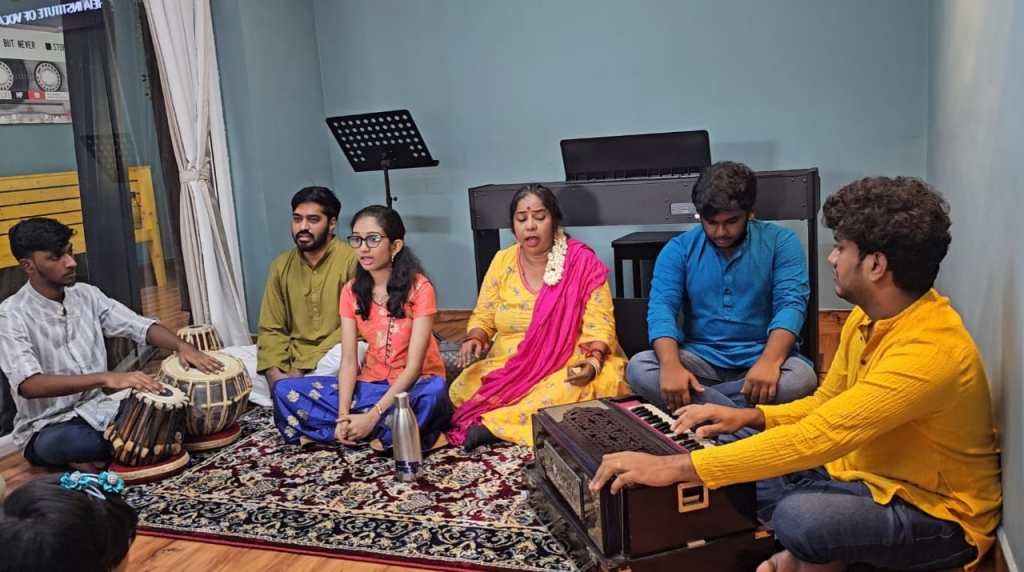
The Rich Tradition of Hindustani Music
Hindustani music , a traditional North Indian , classical music genre , has been an integral part of Indian culture for centuries. This ancient art form has been passed down through generations, with students learning from experienced gurus who impart their knowledge and skills.
Key Elements of Hindustani Classical Singing
- Ragas: Hindustani classical music is based on ragas, which are melodi modes that evoke specific emotions and moods.
- Taals: Rhythemic cycles that provide the framework for Hindustani classical music
- Swara: Notes used in Hindustani classical music
- Laya: Tempo or speed of the music
- Bandish: Composition or the song itself
The Guru-Shishya Parampara
In Hindustani music, the guru-shishya parampara(teacher-disciple tradition) plays a vital role. Students typically learn from a guru on a regular basis. This mentorship helps stidents develop a deep understanding of the fundamentals, including notes(swaras), glides (meends) and various nuances of Indian classical singing.
Discipline
- Regular Practice: Set aside a specific time each day for practice, ideally in a quiet and distraction-free environment. Maintain proper seating posture.
- Patience and perseverance: Learning any classical music requires patience and perseverance as progress may be slow and incremental.
- Emotional control: Develop emotional control to convey the nuances and emotions of the raga.
- Respect for the tradition: Cultivate respect for the tradition, the guru and the music itself, recognizing the value and significance of this ancient art form.
- Humility and gratitude: Maintain humility and gratitude towards the opportunity to learn this music, recognizing the privilege and responsibility that comes with it.
Gharanas in Hindustani Classical Music
A “Gharana” refers to a specific style or tradition of singing. Some of the most well-known gharanas include:
- Kirana Gharana: Known for its pure sound, emotional depth and subtle ragas.
- Agra Gharana: Known for its emphasis on technical mastery and complex ragas
- Jaipur-Atrauli Gharana: Known for its emphasis on emotional expression and lyrical compositions
- Mewati Gharana: Known for its emphasis on technical mastery and complex ragas.
- Rampur-Sahaswan Gharana: Known for its emphasis on emotional expression and lyrical compositions.
These gharanas have played a significant role in shapung the development of Hindustani classical music, and each has its own unique characteristics and traditions.
Popular Hindustani Classical Vocalists in India
- Pandit Bhimsen Joshi: A legendary vocalist known for his powerful and emotive singing style
- Pandit Jasraj: A renowned vocalist and composer who is credited with developing the “Mewati gharana” style.
- Ustad Rashid Khan: A renowned vocalist known for his mastery of the “Rampur-Sahaswan gharana” style
- Pandit Ajoy Chakraborty: A celebrated vocalist and composer who is known for his technical mastery and emotional expression.
- Malini Rajurkar: A renowned vocalist noted especially for her command over the Tappa her Khyal renditions and the Tarana genre.
Benefits of Learning Hindustani Music
Learning Hindustani music not only enables students to master classical singing but also lays a strong foundation for singing Indian music-based songs, commonly known as playback singing in the film industry. This training helps students develop the skills and versatility needed to excel in various musical genres. Moreover, learning Hindustani music fosters discipline, patience, and dedication, essential qualities for success in any field.
Related

You may also like
Western Classical Vocal training is a comprehensive and nuanced approach to singing that encompasses a wide range of techniques, styles, and historical periods. Whether you’re a beginner or an experienced singer, Western Classical Vocal training offers a wealth of benefits that can enhance your vocal skills, musicality, and overall performance. Let us explore what you can expect to learn in Western Classical Vocal training. Fundamentals of Singing Western Classical Vocal …
Music education plays a vital role in shaping children’s psychological growth and mental well-being. Research has consistently shown that music education can have a profound impact on children’s cognitive, emotional, and social development. In this article, we’ll explore the benefits of music education, with a focus on Western classical music and Indian classical music. Western Classical Music and Indian Classical Music: Unique Benefits Western classical music, with its rich harmonies …
Harmonizing Focus (Part 2) – Additional Tips for Indian and Western Classical Singers
In Part 1, we explored general tips and strategies to improve concentration and consistency in singing practice. Now, let’s dive into specific tips for Indian and Western classical singers. Additional Tips for Indian Classical Singers: Focus on breath control: Develop strong breath control to sustain long phrases and intricate ornamentations. Practice with a tanpura: Use a tanpura to improve your pitch accuracy, intonation, and overall musicianship. Explore different ragas: …